Description
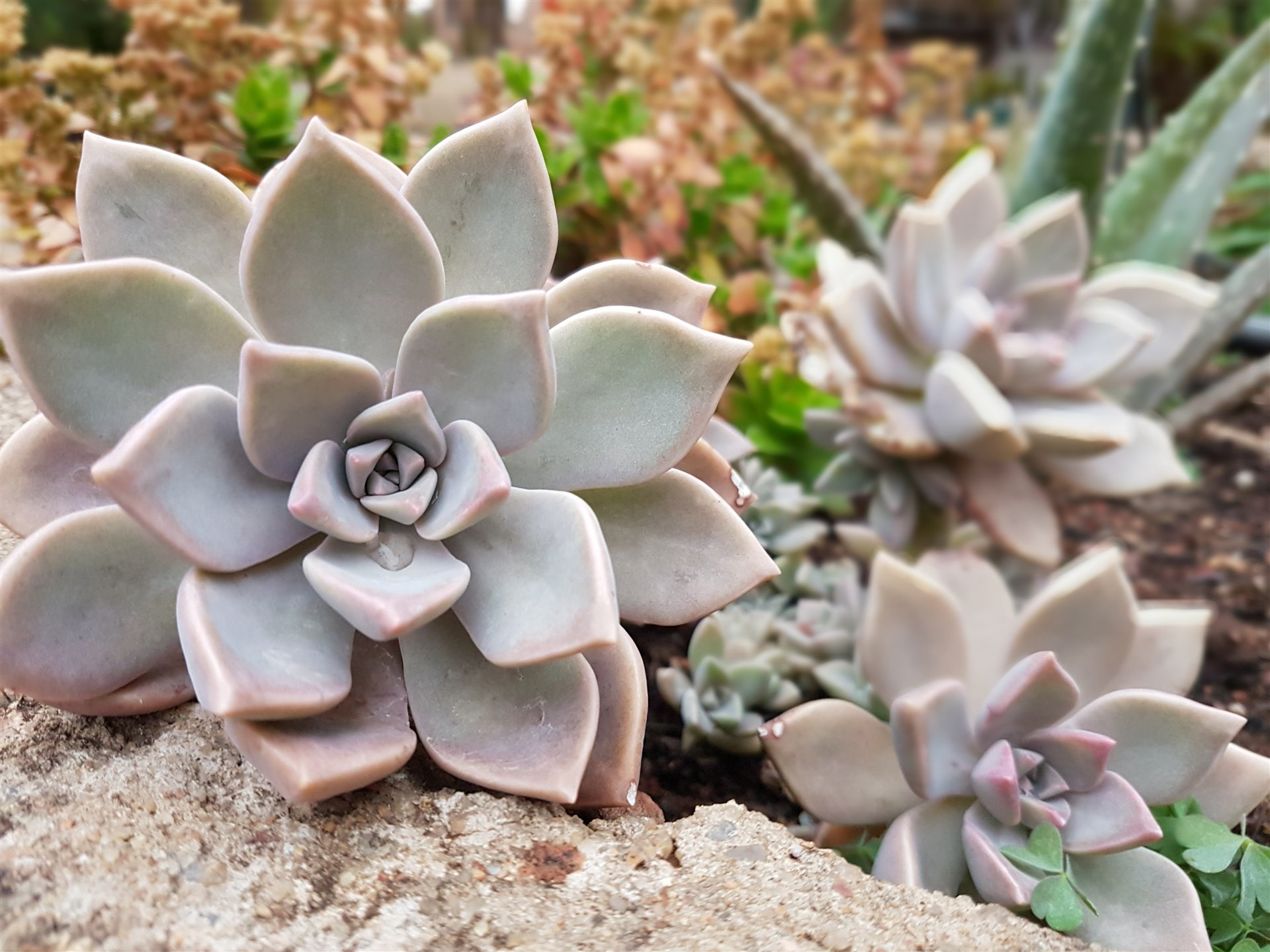
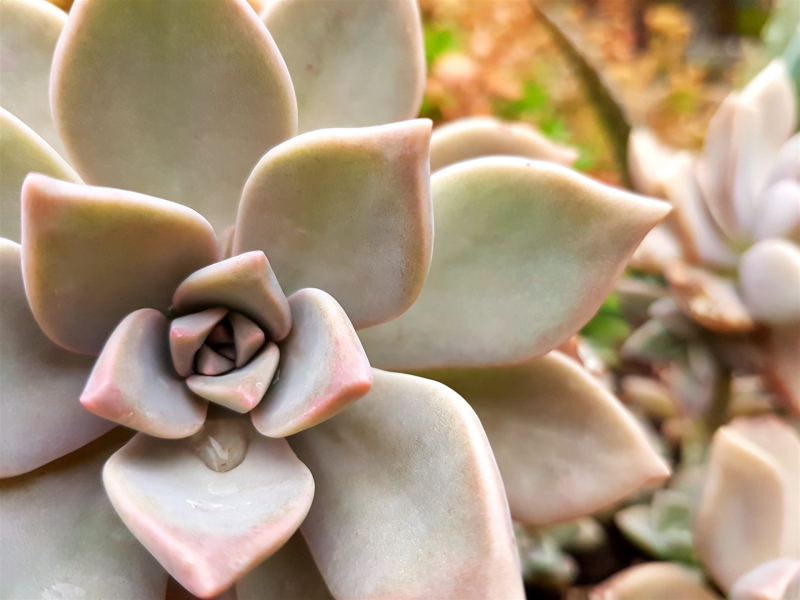
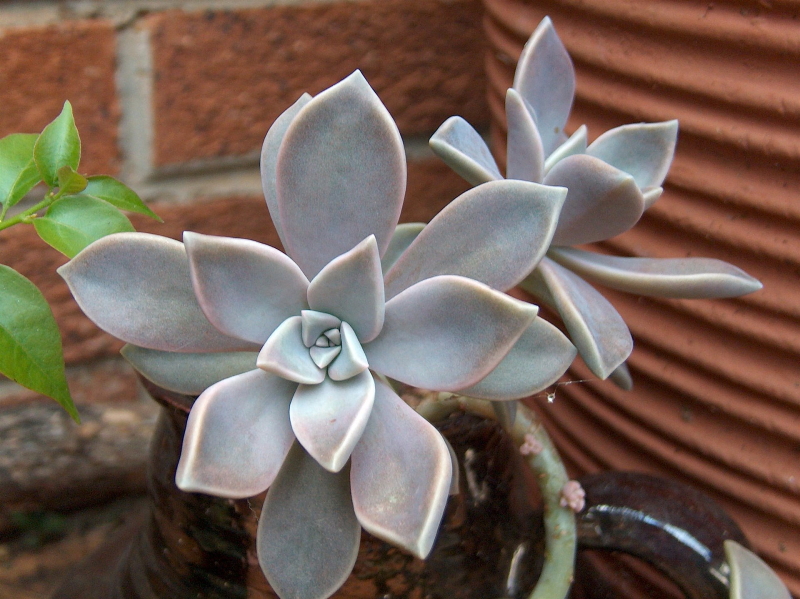
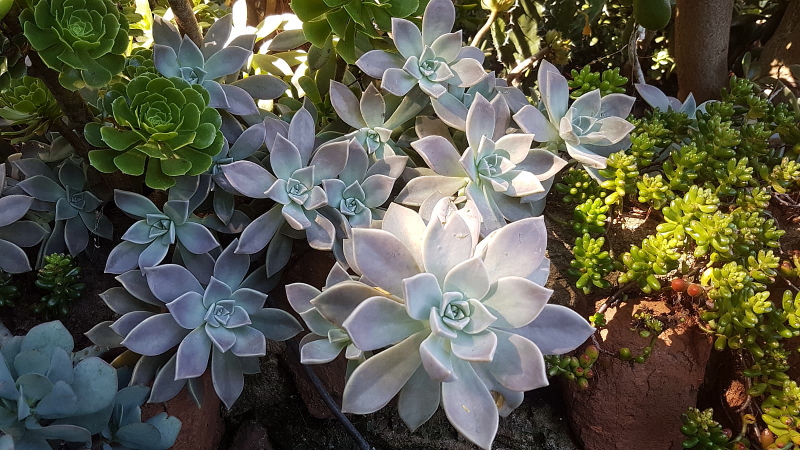
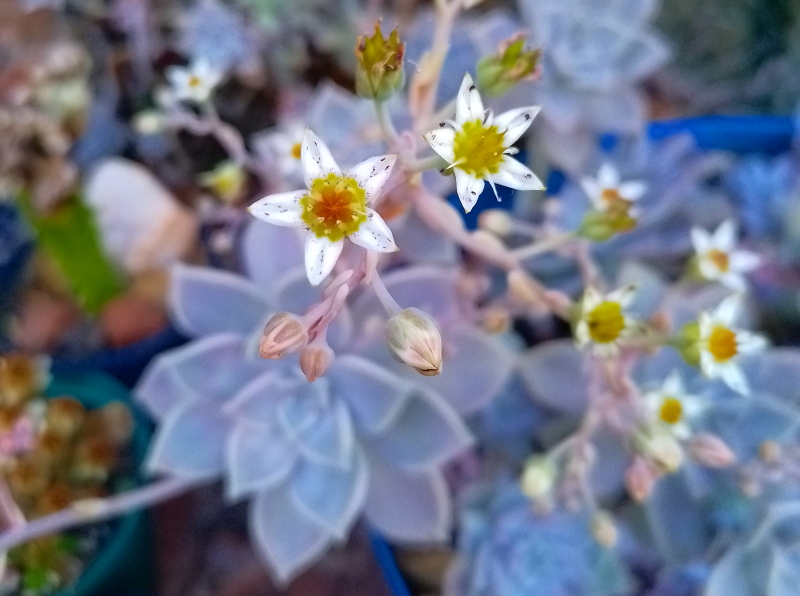
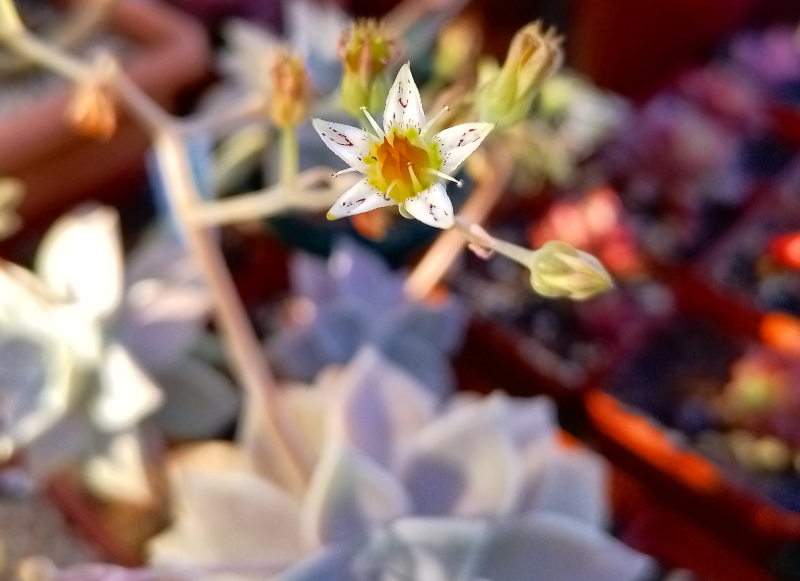
Graptopetalum paraguayense is a vibrant succulent perennial characterized by its thick, triangular, pointed, flat leaves. The colour of its leaves ranges from pale blue in partial shade to light purple in hot, dry weather—these fleshy rosettes spread on stems, growing a low-spreading colony appearance.
| |
| |
Mother of Pearl, Ghost Plant, Porcelain Plant | 15 cm in diameter & 20+ cm in height |
| |
| |
| “Soak and dry” method (Make sure soil is dry) |
| |
Please note: The bottom leaves will fall off the stem no matter how well we package it. The good news is that each leaf will make a new baby plant in a few weeks. Simply place the leaves in the shade with lots of indirect sunlight and wait for the roots to appear and the new plant to start growing.
Graptopetalum paraguayense is used in traditional medicine, particularly in Taiwan and Mexico, and has been researched for a number of potential medicinal uses. In Taiwan and Japan, it is occasionally consumed as a vegetable, added to salads, and used in cooked meals.
Hepatoprotective (Liver Protection)
The most studied use is in the treatment of liver diseases, including fibrosis and cirrhosis, by reducing inflammation and collagen buildup.
Anticancer Properties
Extracts, particularly the HH-F3 fraction, have demonstrated the ability to slow the growth of skin cancer (melanoma), colon cancer, and liver cancer cells (HCC) in both vitro and vivo subjects.
Neuroprotective (Brain Health)
Research indicates that in ischemic stroke models, it might help prevent brain damage. It has also been identified as a possible treatment drug for Alzheimer’s disease by reducing amyloid-β accumulation and tau protein phosphorylation.
Cardiovascular and Metabolism
It is used to help lower blood pressure and improve lipid profiles (reducing total cholesterol and LDL-C).
Anti-inflammatory and Antioxidant
It has demonstrated high free radical-scavenging abilities and can reduce inflammation.
Intestinal Health
It may help regulate gut flora and enhance the intestinal wall.