Description
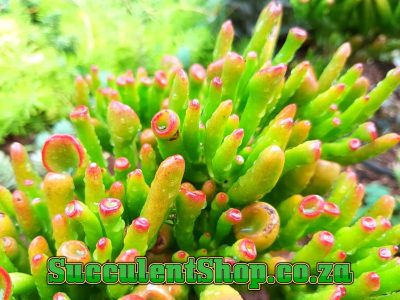
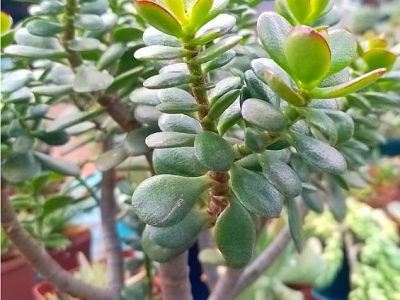
Crassula capitella is a trailing succulent with fleshy, propeller-like leaves that are lush green. Leaves turn striking red, orange, or fiery coral tones at the tips if not over-watered, and the plant receives direct sun for most of the day during drought or in cold temperatures. This plant is the perfect ground cover.
| |
| |
| 15 cm in height & 1 meter in diameter mat |
South Africa, Botswana, and southern Namibia | |
| |
| “Soak and dry” method (Only when soil is dry) |
| |
Traditional Uses:
Wound Healing
In traditional medicine, the roots are dried, powdered, and used for treating wounds.
Scientific Findings and Medicinal Properties:
Recent studies on Crassula capitella have highlighted its potential for pharmaceutical applications:
Antibacterial Properties
The plant shows strong antibacterial activity, particularly against Gram-positive bacteria like Staphylococcus aureus, with inflorescence extracts showing higher activity than leaf extracts.
Antioxidant Activity
Research indicates high total phenolic and flavonoid content, which provides strong antioxidant effects, useful in mitigating oxidative stress-linked conditions.
Anticancer/Antitumor Activity
Studies have found that Crassula capitella extracts show dose-dependent toxicity against breast cancer and liver cancer cells, inducing apoptosis (cell death).
Antidiabetic Potential
The plant extracts have shown inhibitory effects against α-amylase and α-glucosidase, which are linked to controlling blood sugar levels and managing type 2 diabetes.
Anti-inflammatory
It has been found to be an effective source for treating chronic inflammatory diseases such as rheumatoid arthritis.
Note:
While these scientific studies show promise in laboratory settings, traditional medicinal use should always be approached with caution.